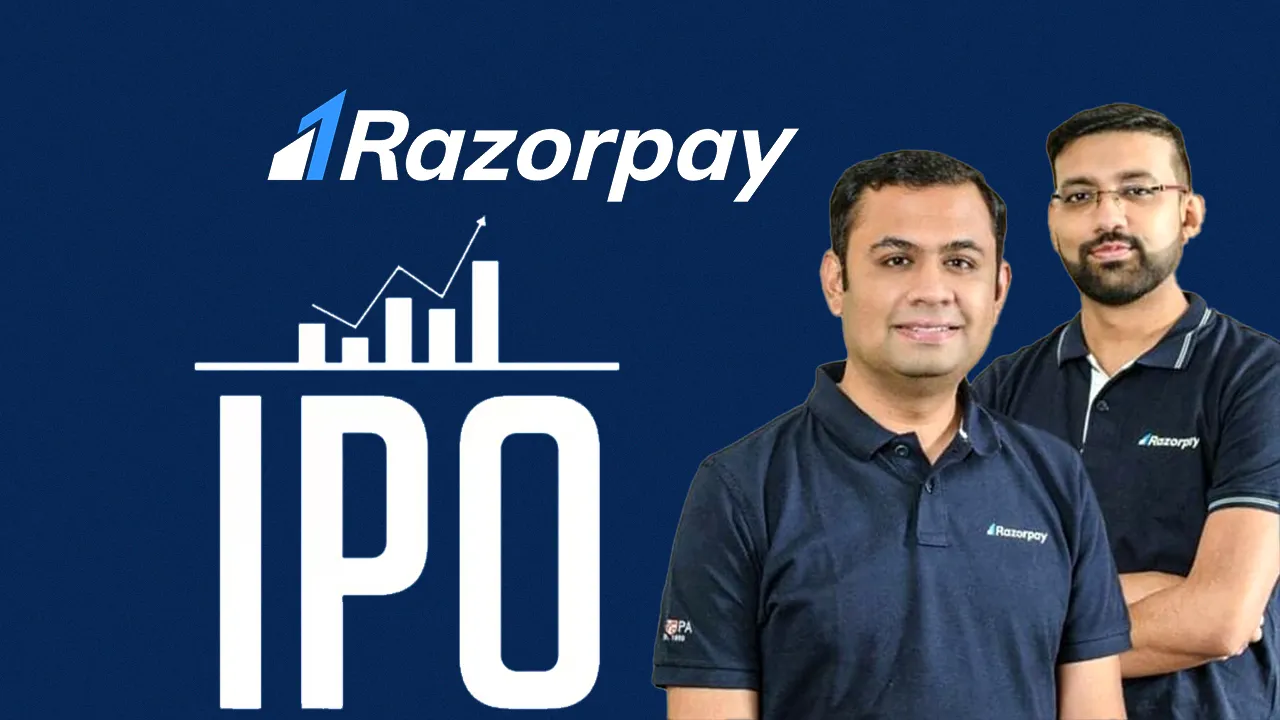
Bengaluru-based fintech unicorn Razorpay has received approval from the Securities and Exchange Board of India (SEBI) for its proposed initial public offering (IPO), marking a significant step towards its public market debut. According to media reports citing sources familiar with the development, the company is targeting a fundraising of ₹5,500 crore to ₹6,500 crore at an expected valuation of around $5 billion.
Razorpay had confidentially submitted its draft red herring prospectus (DRHP) to SEBI in June 2026. The company is reportedly planning to file its final IPO documents before March 2027, although the final timeline and issue structure have not been officially confirmed.
Razorpay IPO: ₹6,500 Crore Fundraising Plan
According to an Economic Times report, Razorpay is targeting a valuation of approximately $5 billion, equivalent to around ₹49,000 crore to ₹50,000 crore, for its proposed public offering.
Media reports suggest that Axis Capital, Kotak Mahindra Capital, JPMorgan and Citi have been appointed as bankers for the IPO. The proposed fundraising could make Razorpay one of the prominent fintech companies preparing to enter India’s public markets.
The final offer size, issue structure, pricing and listing schedule will depend on the company’s regulatory filings and subsequent announcements.
From $7.5 Billion Valuation to IPO Preparations
Razorpay was last valued at $7.5 billion in 2021, when it raised $375 million during a period of strong investment activity in the technology sector.
Since then, the company has undertaken several strategic initiatives to prepare for its anticipated stock market debut. In April 2025, Razorpay converted into a public limited company as part of its IPO preparations.
Later in 2025, the fintech firm completed its reverse flip to India, shifting its corporate domicile from the United States to India. The transition reportedly involved approximately $150 million in taxes.
These steps reflect the company’s efforts to align its corporate structure with its long-term plans for the Indian market and a potential domestic listing.
Razorpay’s Business Expansion Beyond Payment Gateways
Founded in 2014 by Harshil Mathur and Shashank Kumar, Razorpay initially built its business around digital payment processing and payment gateway services for companies.
Over the years, the company has expanded its offerings to include business banking, lending and merchant payment solutions. Its broader product portfolio aims to help businesses manage digital collections, financial operations and other payment-related requirements through integrated services.
The proposed IPO will put the company’s business model, growth strategy and financial performance under greater scrutiny as it prepares to engage with public market investors.
New IFSCA Licence Expands Cross-Border Payment Opportunities
In another development, Razorpay received a final Payment Service Provider (PSP) licence from the International Financial Services Centres Authority (IFSCA) to operate in GIFT City, Gujarat.
The licence will allow the fintech company to provide payment services to businesses operating within the International Financial Services Centre. The approval could support Razorpay’s efforts to expand its presence in cross-border payment services and serve businesses with international financial requirements.
What Razorpay’s IPO Could Mean for India’s Fintech Sector
Razorpay’s proposed IPO comes amid continued interest in India’s digital payments and financial technology sector. A public listing would give investors an opportunity to assess the company’s business performance, competitive position and future growth prospects through public disclosures.
However, the reported $5 billion valuation represents a target rather than a confirmed IPO valuation. Investors will need to examine the company’s financial statements, revenue growth, profitability, regulatory disclosures and issue pricing when the relevant documents become available.
Razorpay has not yet publicly confirmed all the reported details. The IPO timeline, fundraising amount and valuation may change as the process progresses.