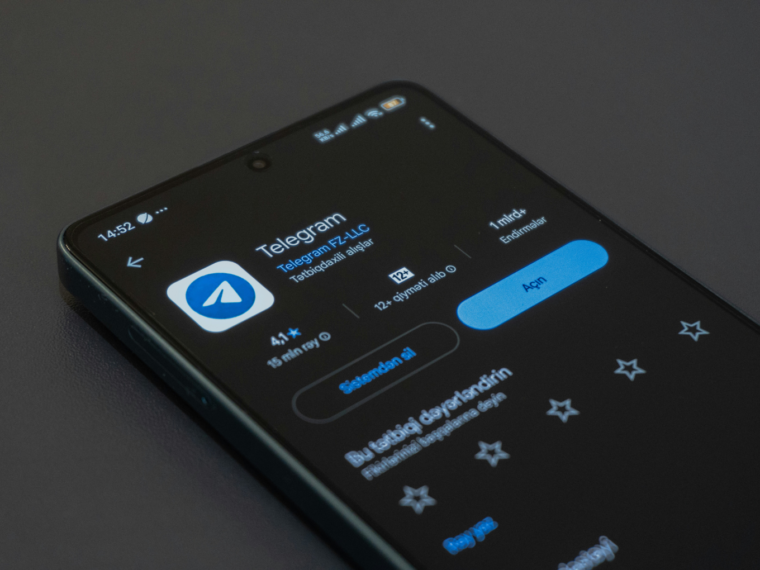
India’s IT ministry has sent notifications to Telegram and Signal, intensifying its examination of messaging services based on usernames after its order to WhatsApp to stop work on its new feature. The letters require both platforms to explain how they prevent fraud, impersonation and other cybercrimes associated with usernames that allow users to connect without disclosing phone numbers.
Telegram and Signal offer username-based texting in India, unlike WhatsApp. The government has questioned whether Telegram should still provide the service and asked for comparable information from Signal about its security. Both platforms were given three days to react, sources indicate.
Wider crackdown on privacy features
This comes a day after MeITy asked Meta to put the implementation of usernames on WhatsApp in India on hold until negotiations with the government are ended. The government has also urged WhatsApp for an explanation within three days on how the function would stop misuse, including fraud and impersonation.
The recent alerts suggest that the Centre’s assessment is not exclusive to WhatsApp and may cover other major messaging applications that employ usernames instead of phone numbers as the primary identity. This comes after the suspension of Telegram for a week and mounting worries about scams, phishing and ‘digital arrest’ frauds.
Industry and Rights Response
In the thick of the scrutiny, Zoho’s co-founder Sridhar Vembu announced Arattai, the company’s messaging software, will remove username-based accounts to comply with the legal change.
The moves have been condemned by digital rights groups. The Internet Freedom Foundation said the pressure was a “unconstitutional dragnet over privacy features”. “Executive action is curbing lawful features and private communications without any legal basis under the IT Act,” it said.
For now, the username function is still working on Telegram and Signal, and no spokesperson from either company has commented on the alerts yet.